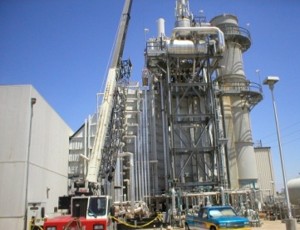
AirPure® SCR/SNCR(De-NOX Technology)
埃飘环境SCR/SNCR(De-NOX技术)
SCR(Selective Catalytic Reduction)直译为选择性催化还原。
催化还原可实现高速清除氧化氮。当加入氨水或尿素后,废气中的这些氧化氮就会在200-300°C时催化还原,形成元素氮。因此,废气中的任何二噁英或呋喃也会同时被破坏掉。如果SCR系统是废气洗涤器的下游设备,则有必要重新加热废气。
SCR (Selective Catalytic Reduction) literall translates to selective catalytic reduction. Catalytic reduction enables highspeed removal of nitric oxide. When ammonia or urea is added, these nitric oxides in the exhaust gas are catalyzedto reduce at 200-300°C to form elemental nirogen. As a result any dioxins or furans in the exhaust gases are also destroyed at the same time. If the SCR system is a downstream device of the exhaust gas scrubber, it is necessary to re-heat the exhaust gases.
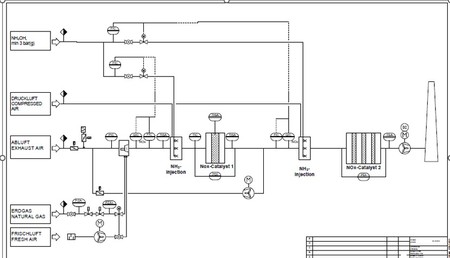
工艺流程图SCR-Flow Chart
SCR, SNCR的应用:
Nitrogen Containing Substances 含氮的物质
Exhaustgases containing nitrogen will generate NOx. 含氮废气会产生NOx。
SNCR Process – Non-SelectiveCatalytic Reduction 选择性非催化还原
Ifthe combustion chamber is also to serve as an SNCR (selective noncatalyticreduction) stage, a reducing agent is introduced into the second half of thecombustion chamber. Inorder to ensure ideal reduction of NOx, thetemperature must lie in the range from 900 to 1,050 °C.
如果在SNCR(选择性非催化还原)阶段也启用燃烧室,则需要在燃烧室的后半部分引入还原剂。为了确保恰到好处地还原NOx,温度必须 处于900至1,050°C之间。
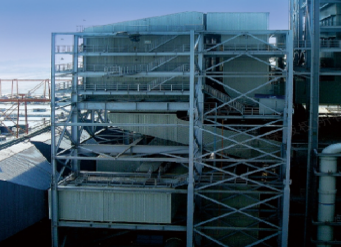
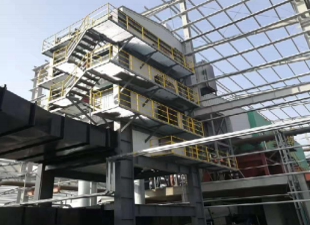
SCR Process – Selective Catalytic Reduction 选择性催化还原
Catalyticreduction permits a high removal rate for nitrous oxides. When ammonia or ureais added, these nitrous oxides in the exhaust gas are reduced to form toelemental nitrogen on a catalyst at 200 -300 °C. Therefore, any dioxins orfurans in the exhaust gas are also destroyed at the same time. If the SCRsystem is downstream of a flue gas scrubber, it will be necessary to reheat theexhaust gases.
催化还原可实现高速清除氧化氮。当加入氨水或尿素后,废气中的这些氧化氮就会在200- 300 °C时催化还原,形成元素 氮。因此,废气中的任何二恶英或呋喃也会同时被破坏掉。 如果SCR系统是废气洗涤器的下游设备,则有必要重新加热废气。